
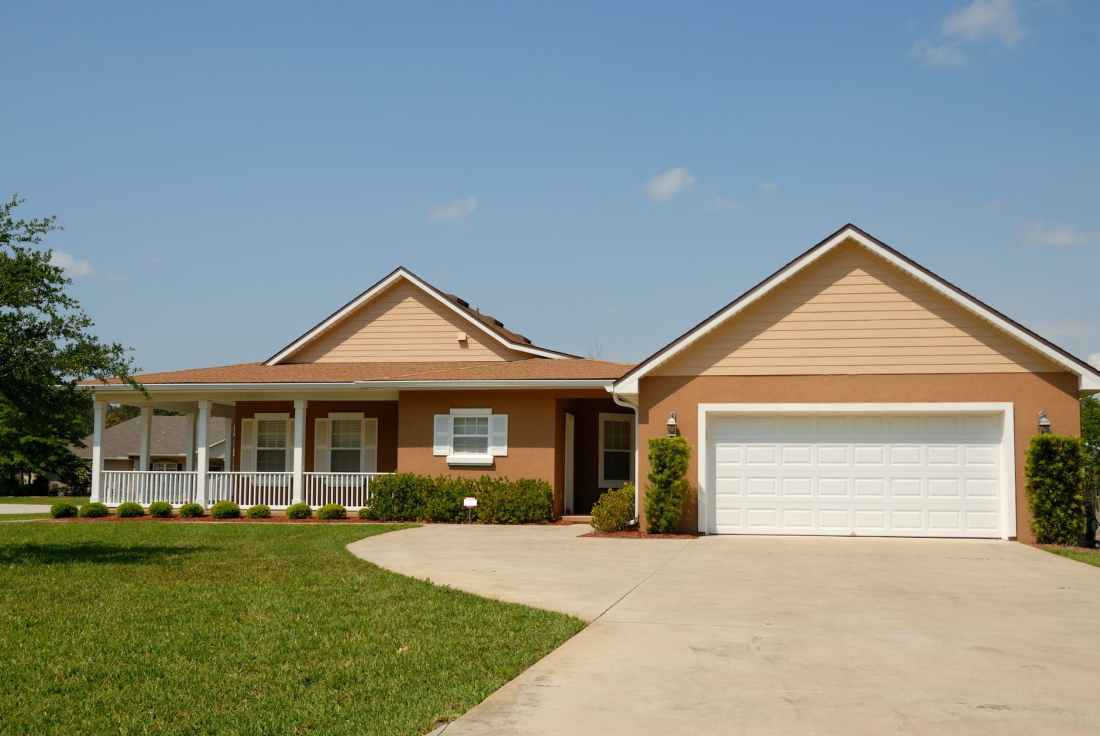
Buying a primary home and buying an investment property are two different types of purchases with different goals and things to consider.
Buying a primary home typically refers to purchasing a property for personal use, where you will live and make it your own space. The main goal is to find a comfortable and suitable place to call home. When buying a primary home, you may consider factors such as location, size, number of bedrooms and bathrooms, proximity to schools and amenities, and just overall personal preferences. Financing options for primary homes usually offer lower interest rates compared to investment properties, and you may qualify for tax deductions on mortgage interest payments (ask your tax pro).
On the other hand, buying an investment property is typically purchased with the intention of generating income or appreciation over time. The goal is to find a property that can generate rental income or be sold for a profit later. Factors to consider when buying an investment property may include location, property condition, rental demand, and potential for appreciation. Financing options for investment properties will come with higher interest rates and require larger down payments. You will also have to consider property management methods and maintenance costs as part of your budget.

Primary Home Buying Requirements
The lending requirements for purchasing a primary home can vary depending on the lender, the type of loan, and the borrower’s financial situation. However, there are some general guidelines that most lenders follow when assessing an application for a primary home loan.
1. Credit Score: A good credit score is important when applying for a home loan. Lenders typically require a minimum credit score of 620 or higher. However, a higher credit score can improve your chances of getting approved for a loan and may also result in more favorable interest rates.
2. Debt-to-Income Ratio: Lenders will also look at your debt-to-income ratio, which is the amount of debt you have compared to your income. Generally, lenders prefer a debt-to-income ratio of 43% or less. Use this Bankrate Calculator to calculate your debt-to-income ratio.
3. Down Payment: The down payment required for a primary home can vary depending on the type of loan and the lender. Conventional loans typically require a down payment of at least 3%, but some lenders may require more. FHA loans require a down payment of at least 3.5%, while VA loans and USDA loans may not require a down payment at all. Ex: Purchase price ($400,000) x Down Payment % (0.03)= $12,000
4. Income and Employment: Lenders will want to verify your income and employment history to ensure that you have the ability to repay the loan. Typically, lenders prefer borrowers who have been employed at the same job for at least two years.
5. Property Appraisal: Lenders will require a property appraisal to determine the value of the home and ensure that it meets their standards.
6. Mortgage Insurance: If your down payment is less than 20%, you may be required to pay for private mortgage insurance (PMI) to protect the lender in case you default on the loan.
Investment Property Purchasing Requirements
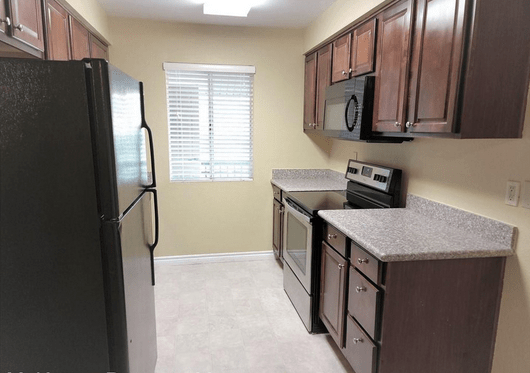
Owned by Jerry and Cyn
The lending requirements for purchasing an investment property are similar to a primary home with a few differences.
1. Down Payment: Typically, lenders require a larger down payment for investment properties than for primary residences. A down payment of at least 25% is common, although some lenders may require 20%. Ex: Purchase price ($400,000) x Down Payment % (0.25)= $100,000
2. Credit Score: A good credit score is essential for obtaining an investment property loan. Lenders typically require a minimum credit score of 680-720 or higher (depending on the lender). However, a higher credit score can improve your chances of getting approved for a loan and may also result in more favorable interest rates.
3. Debt-to-Income Ratio: Lenders will also look at your debt-to-income ratio, which is the amount of debt you have compared to your income. Generally, lenders prefer a debt-to-income ratio of 43% or less.
4. Cash Reserves: Lenders may require borrowers to have a certain amount of cash reserves in the bank to cover unexpected expenses or losses. It is recommended to have at least 12 months of cash reserves however, most lenders require 2-6 months of reserves.
5. Rental Income: Lenders may also consider the potential rental income of the property when evaluating an application. To be eligible, the rental income must typically be sufficient to cover the mortgage payment and other expenses associated with owning the property.
6. Property Appraisal: Lenders will require a property appraisal to determine the value of the investment property and ensure that it meets their standards.
Overall, buying a home is a huge commitment whether for personal use or as a rental property. It is exciting but always make sure to have ample funds just in case the unexpected occurs. Your home(s) should be assets to your life and not financial burdens.

 WELCOME TO GIRL INVESTMENT GROUP